
My Ranthambore Safari Experience – Where the Wild Comes Alive
 Aug 10, 2026
Ranthambore National Park is widely regarded as one of India's most iconic wildlife destination, offering an exceptional blend of natural beauty, rich biodiversity, and historical significance. Renowned for its thriving population of Royal Bengal Tigers and remarkable conservation success, the park provides visitors with an immersive safari experience that extends far beyond wildlife observation.
My recent visit to Ranthambore was not merely a journey through a national park, but an opportunity to witness the remarkable harmony between nature, heritage, and conservation. The experience began in the early hours of the morning as our safari vehicle entered the park. The crisp morning air, the soft golden light filtering through the forest canopy, and the melodious calls of birds created a tranquil yet exhilarating atmosphere. Every winding trail and every movement within the forest heightened the anticipation of encountering wildlife, making the journey as rewarding as the destination itself.
My safari was allocated to Zone 3 which is done by the Forest Department. I was instructed to report to the national park's boarding gate at least 30 minutes before the safari starting time. We arrived on time and met the naturalist assigned to me by the Forest Department. While we waited, the naturalist briefed us on the park's rules and regulations. We were also informed of an important new policy prohibiting the use of mobile phones inside the national park. According to the latest regulations, visitors are no longer permitted to carry or use mobile phones within the park. At exactly 6:00 a.m., the gates of the national park opened, marking the beginning of the safari.
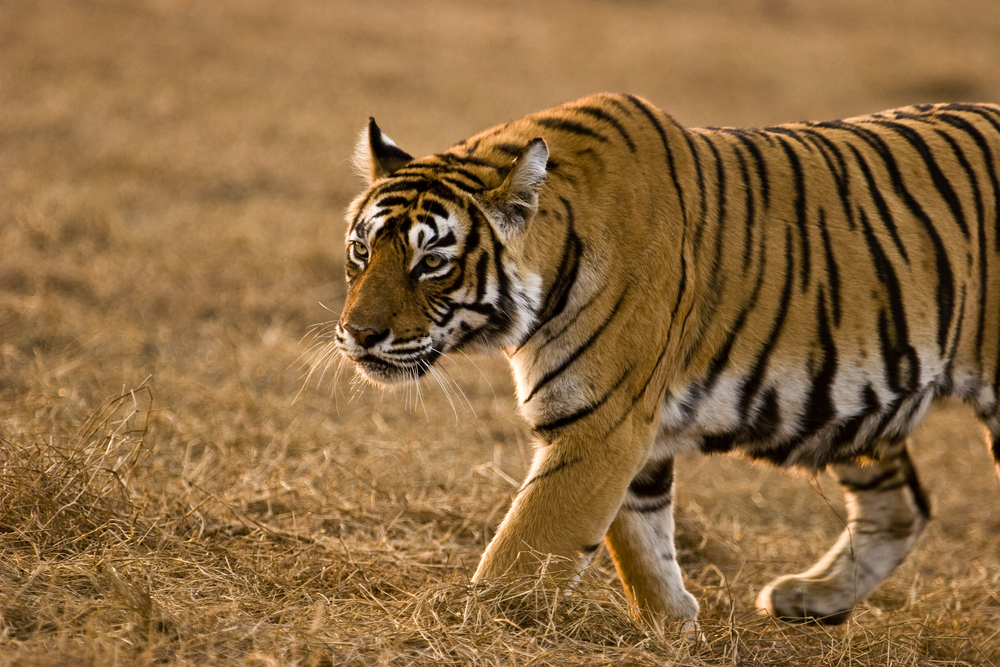
Our safari began as we entered Zone 3 through Singh Dwar Gate, surrounded by the breathtaking landscape of Ranthambore National Park. Like every visitor, we hoped to catch a glimpse of the elusive tiger. To our amazement, just a few minutes after entering the forest, we encountered one. It was an unforgettable moment—the safari had only just begun, and there, right before our eyes, was a magnificent tiger walking calmly across the safari track, only a few feet away from our gypsy. It seemed as though the tiger was peacefully enjoying the fresh morning air, completely unfazed by the vehicles around it.
Soon, several other safari vehicles arrived, and everyone watched in awe as the majestic tiger crossed the path. Witnessing such a close sighting so early in the safari felt incredibly fortunate and made for a truly memorable start to our journey.
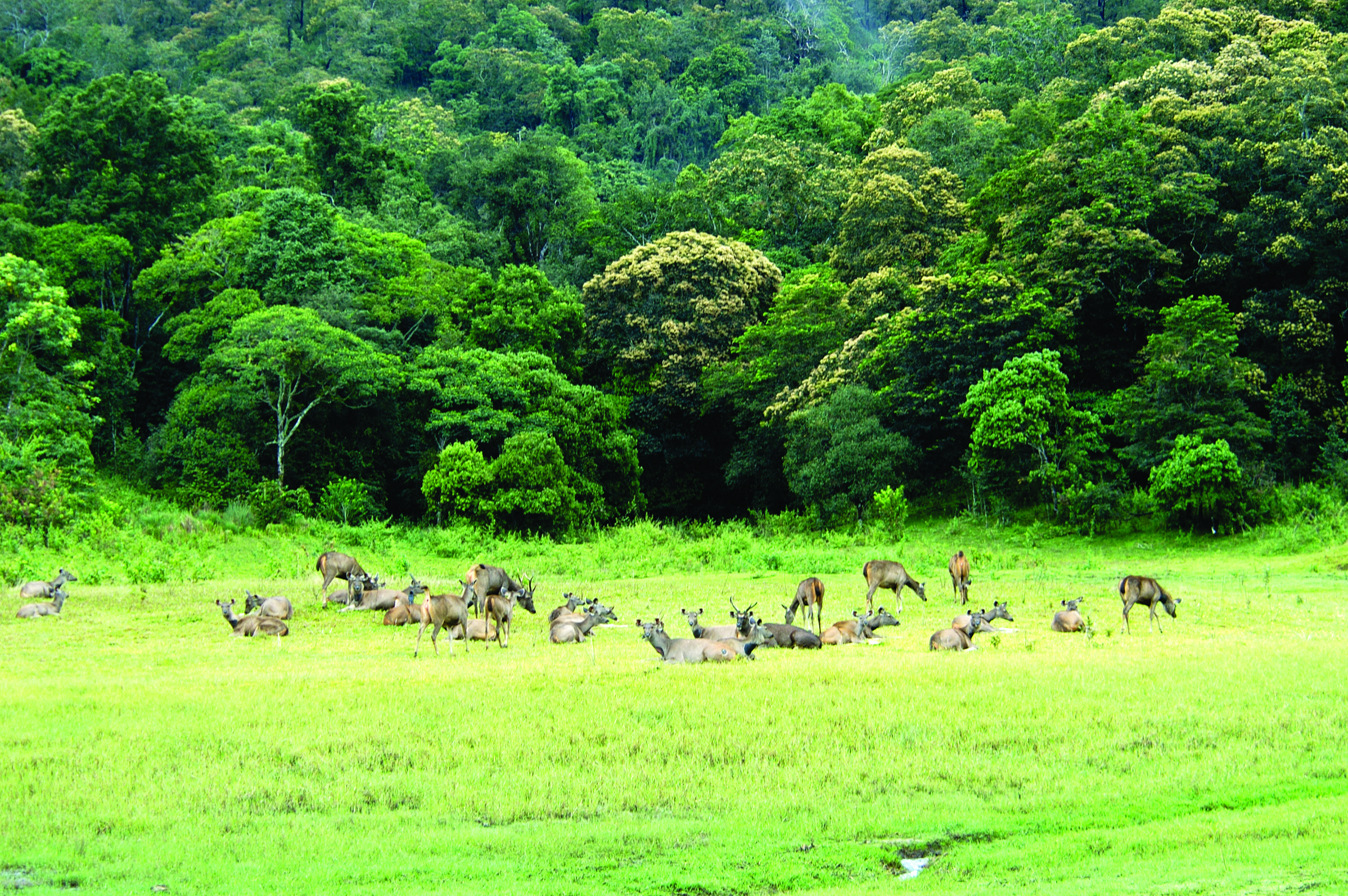
After this remarkable encounter, we proceeded to Padam Talao, the largest lake within Ranthambore National Park. The lake is renowned for its rich wildlife, where visitors often spot deer grazing along the shoreline, marsh crocodiles basking on the banks, numerous migratory birds, and on occasion, tigers approaching the water to drink or cool off during the warmer months. On our way to the lake, we observed several species of wildlife, including Sambar Deer, Nilgai, and Hanuman Langurs, all thriving in their natural habitat.
Adjacent to Padam Talao are the historic Rajbagh Ruins, a centuries-old hunting pavilion surrounded by dense forests and open grasslands. The unique combination of ancient ruins, tranquil water bodies, and prime tiger habitat creates one of the most picturesque landscapes among India's tiger reserves.
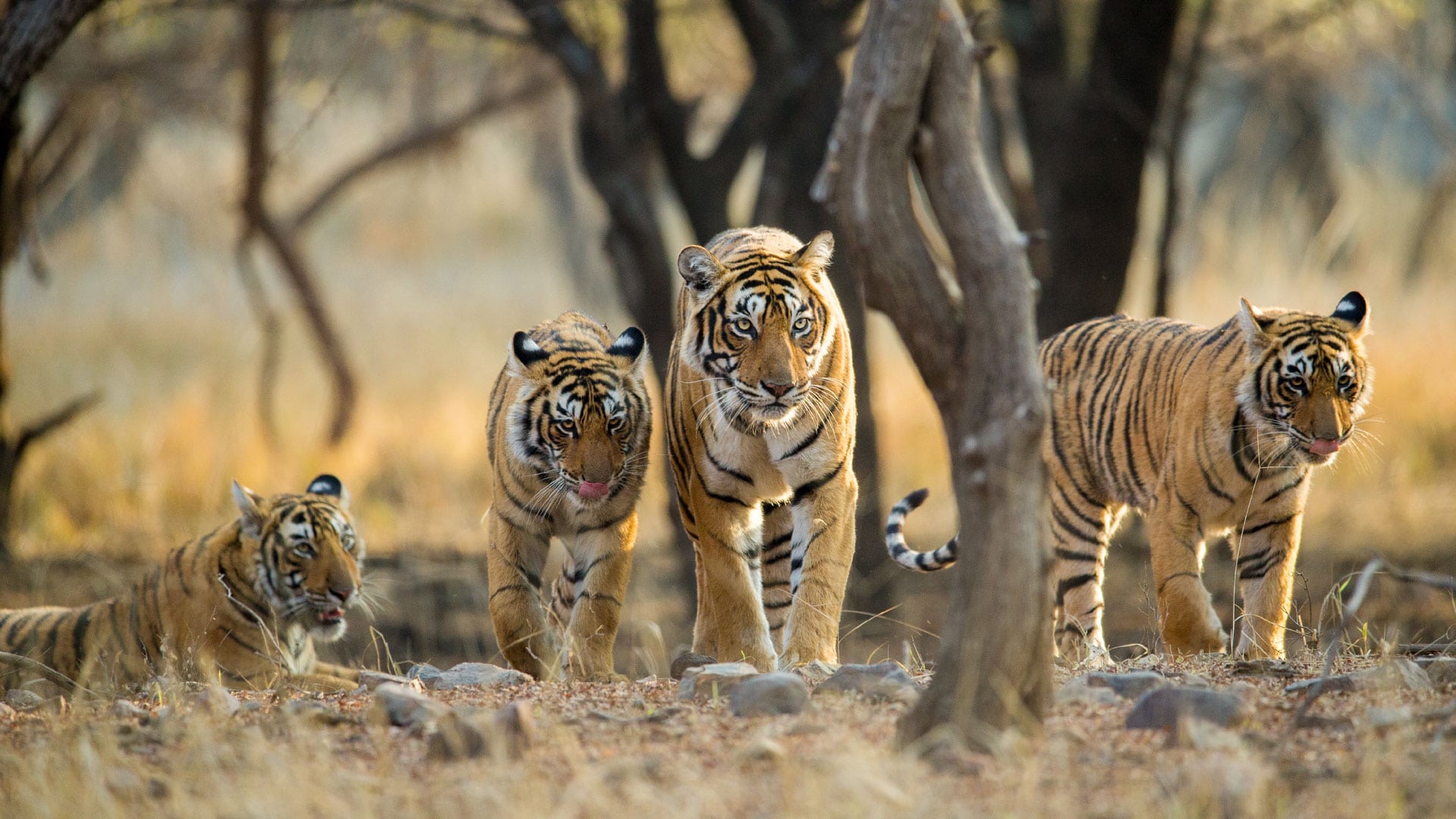
After patiently waiting for nearly 40–45 minutes near the lake, our patience was rewarded when a tiger cub emerged near the water's edge. The sighting brought immense joy and made our safari even more special. During this time, we also observed several marsh crocodiles basking peacefully along the banks of the pond.
Following the cub sighting, we continued towards Jogi Mahal, a historic structure that is often visited by tigers and serves as one of their preferred resting areas. Although we were hopeful, we were unfortunately unable to spot a tiger there.
Our final stop was the High Point, an elevated vantage point that offers tigers an excellent strategic position for observing and hunting their prey. While we did not encounter another tiger, the panoramic views of the forest and the opportunity to explore one of Ranthambore's key wildlife locations provided a fitting conclusion to an extraordinary safari experience
As the safari progressed, the richness of Ranthambore's ecosystem became increasingly evident. The park is home to an extraordinary variety of wildlife, including sambar deer, spotted deer, nilgai, wild boar, langurs, marsh crocodiles, sloth bears, and an impressive diversity of resident and migratory bird species. Each wildlife sighting offered valuable insight into the ecological diversity that has established Ranthambore as one of India's premier national parks.
The overall experience was greatly enhanced by the expertise and professionalism of the park's certified naturalists and safari drivers. Their extensive knowledge of wildlife behavior, habitat ecology, and conservation practices provided meaningful interpretation throughout the journey. Their ability to track wildlife while educating visitors about the park's delicate ecosystem transformed the safari into a truly enriching and educational experience.
As our visit concluded, we departed with far more than memorable photographs. I left with a renewed appreciation for India's extraordinary wildlife heritage and a deeper understanding of the critical role that conservation and sustainable tourism play in safeguarding these invaluable natural landscapes for future generations.
For wildlife enthusiasts, photographers, nature lovers, and discerning travelers alike, Ranthambore National Park offers an experience that is both inspiring and unforgettable. It is not merely a destination for observing the Royal Bengal Tiger; it is a place where visitors can truly connect with nature, appreciate India's conservation achievements, and experience one of the country's finest wildlife landscapes in its most authentic form.
By Rajan Mishra – August 2026



0 comments on "My Ranthambore Safari Experience – Where the Wild Comes Alive"