
Places to visit in Agra
Fondly known as the ‘City of the Taj’, Agra is a must-visit destination on every tour of India. Located about 220 km from Delhi, the city offers a magnificent glimpse into the grandeur of the Mughal Empire. Once the imperial capital of the Mughals, Agra continues to preserve its rich cultural heritage, stunning architecture, and timeless traditions that attract visitors from around the world. The iconic Agra tour is incomplete without witnessing the breathtaking beauty of the Taj Mahal.
An Agra tour is like stepping back into the glorious era of Mughal India. Situated on the banks of the Yamuna River, the city served as the seat of the Mughal Empire for more than 300 years and remains one of the most historically and culturally significant places to visit in India. Apart from its magnificent monuments, Agra is renowned for its exquisite marble craftsmanship, vibrant festivals, delicious Mughlai cuisine, and the world-famous Agra Petha, a traditional sweet that every visitor must try.
The highlight of every visit is undoubtedly the magnificent Taj Mahal, one of the Seven Wonders of the World and a UNESCO World Heritage Site. Built by Emperor Shah Jahan in memory of his beloved wife Mumtaz Mahal, the white marble masterpiece stands as the ultimate symbol of eternal love. Whether viewed at sunrise, sunset, or under the enchanting glow of a full moon, the Taj Mahal leaves every visitor spellbound. Other remarkable attractions include the majestic Agra Fort, another UNESCO World Heritage Site, built by Emperor Akbar. This impressive red sandstone fortress served as the main residence of the Mughal emperors and houses beautiful palaces, audience halls, and gardens. Another architectural gem is the elegant Itmad-ud-Daulah's Tomb, popularly known as the 'Baby Taj', celebrated for its intricate marble inlay work and exquisite craftsmanship.
Beyond the city, Agra offers several fascinating excursions. Visit Sikandra, the grand mausoleum of Emperor Akbar, or explore the magnificent abandoned Mughal capital of Fatehpur Sikri, a UNESCO World Heritage Site located just a short drive away. Once a flourishing imperial city, Fatehpur Sikri was deserted due to water scarcity but still captivates visitors with its magnificent palaces, courtyards, mosques, and the imposing Buland Darwaza, one of the tallest gateways in the world. As a major destination on the famous Golden Triangle Tour, Agra perfectly combines history, architecture, culture, and timeless romance, making it one of the most visited tourist destinations in North India.

Taj Mahal
Taj Mahal: Emperor Shah Jahan constructed the Taj Mahal in the memory of his wife Mumtaj Mahal who died during the birth of their child in 1631. This white-marble mausoleum is one of the most beautiful structures in the world and is granted the title of one of the 'wonders of the world'. The UNESCO World Heritage Site is also known as the 'icon of eternal love'. Without a doubt, it is the most recognized and most visited landmark in India. The construction of this famous monument is said to have taken 22 years, starting from 1631. Over 20,000 artisans were working day and night for the construction of this landmark. Craftspersons and whizzes were brought from France and Italy. And the chief architect was from Iran. The visit to the Taj Mahal, will long be remembered by you as the highlight of your Golden Triangle Tour.

Red Fort
Agra Fort: Emperor Akbar started the construction of this huge red sandstone Agra Fort on the bank of Yamuna River in 1565. It was mainly constructed for the soldiers until his grandson, Shah Jahan, added more opulent accommodations. There are a number of attractive buildings within its porches such as Samman Burj, where Shah Jahan was imprisoned by his son, Moti Masjid, a white marble mosque, Diwan–e–Am, Diwan–e–Khas, Jahangir’s Palace, Khaas Mahal and Sheesh Mahal.
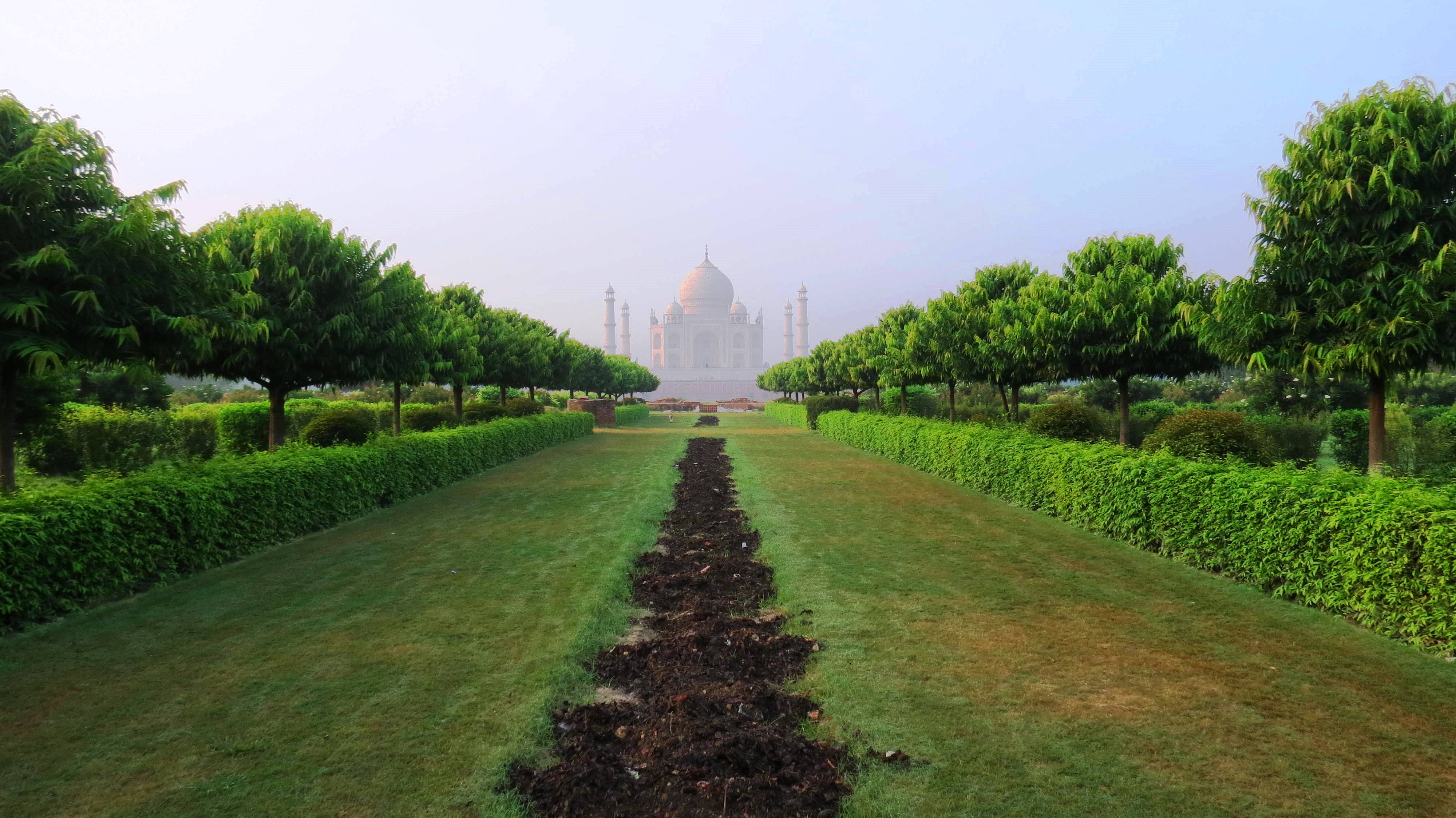
Mehtab Bagh
Mehtab Bagh is situated on the banks of River Yamuna on the opposite bank of Taj Mahal. The garden is spread over an area of 25 acres. It is conjectured that Shah Jahan had plans to create a mausoleum identical to Taj Mahal at this site. The garden provides excellent views of the Taj Mahal
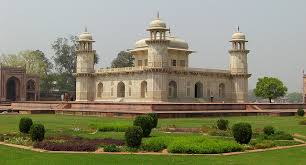
Itimad-ud-Daulah
Itimad-ud-Daulah described as a "jewel box", and also known as a baby Taj , the tomb of I'timad-ud-Daulah is often regarded as a draft of the Taj Mahal. Along with the main building, the structure consists of numerous outbuildings and gardens. The tomb, built between 1622 and 1628, represents a transition between the first phase of monumental Mughal architecture – primarily built from red sandstone with marble decorations
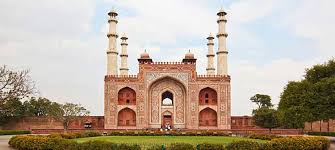
Tomb of Akbar the Great
Akbar's tomb is the tomb of the Mughal emperor Akbar. This tomb is an important Mughal architectural masterpiece. It was built in 1605–1613 by his son Jahangir and is situated in 119 acres of grounds in Sikandra, a sub of Agra, Uttar Pradesh, India.
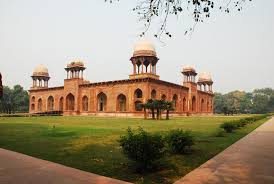
Tomb of Mariam-UZ-Zamani
The Tomb of Mariam-uz-Zamani is the mausoleum of Mariam-uz-Zamani, the Queen consort of the Mughal Emperor Akbar. The tomb was built by Jahangir, in memory of his mother Mariam-uz-Zamani. The tomb is located in Sikandra, a suburb of Agra.