
Places to visit in Aurangabad
Known as the ‘City of Gates’, Aurangabad is one of the popular places to visit in India. Located in the western Indian state of Maharashtra, this historic city serves as the gateway to the world-famous UNESCO World Heritage Sites of the Ajanta and Ellora Caves. Aurangabad itself boasts a rich cultural and architectural heritage, having served as the capital of the Mughal Empire during a part of Emperor Aurangzeb's reign. In fact, the city derives its name from the Mughal emperor.
The charm of an Aurangabad holiday lies in its remarkable monuments, vibrant culture, and fascinating history. The impressive Daulatabad Fort stands as one of India's finest medieval fortresses, while the magnificent Bibi Ka Maqbara, often referred to as the "Taj Mahal of the Deccan", reflects the grandeur of Mughal architecture. The ancient Aurangabad Caves, dating back to the 5th and 6th centuries CE, showcase exquisite Buddhist rock-cut architecture and sculptures. Although often overshadowed by the nearby UNESCO World Heritage Sites of Ajanta and Ellora, these caves are well worth exploring. Museums, traditional weaving centers, and local handicraft markets further enrich the city's cultural appeal.
No visit to Aurangabad is complete without exploring the spectacular Ajanta and Ellora Caves. Located approximately 107 km from the city, the Ajanta Caves comprise 30 magnificent rock-cut Buddhist caves nestled in a horseshoe-shaped gorge. Dating from the 2nd century BCE to around 480 CE, they represent some of the world's finest examples of ancient Buddhist art, architecture, murals, and sculptures. The caves include Chaitya halls (prayer halls) and Viharas (monasteries), adorned with breathtaking paintings depicting the life of Lord Buddha, Jataka tales, and Buddhist traditions.
Another architectural masterpiece is the Ellora Caves, situated about 26 km north of Aurangabad. Dating between the 5th and 11th centuries CE, this extraordinary UNESCO World Heritage Site consists of 34 rock-cut caves carved over nearly 600 years. Ellora is one of the largest rock-cut monastery and temple complexes in the world, featuring remarkable Buddhist, Hindu, and Jain monuments. Among its many attractions, the awe-inspiring Kailasa Temple (Cave 16) is the world's largest monolithic rock-cut temple, carved from a single massive basalt rock. Other notable caves include the ancient Dhumar Lena (Cave 29), renowned for its impressive sculptures and architectural grandeur. Together, the Ajanta and Ellora Caves make Aurangabad one of India's most treasured heritage destinations.
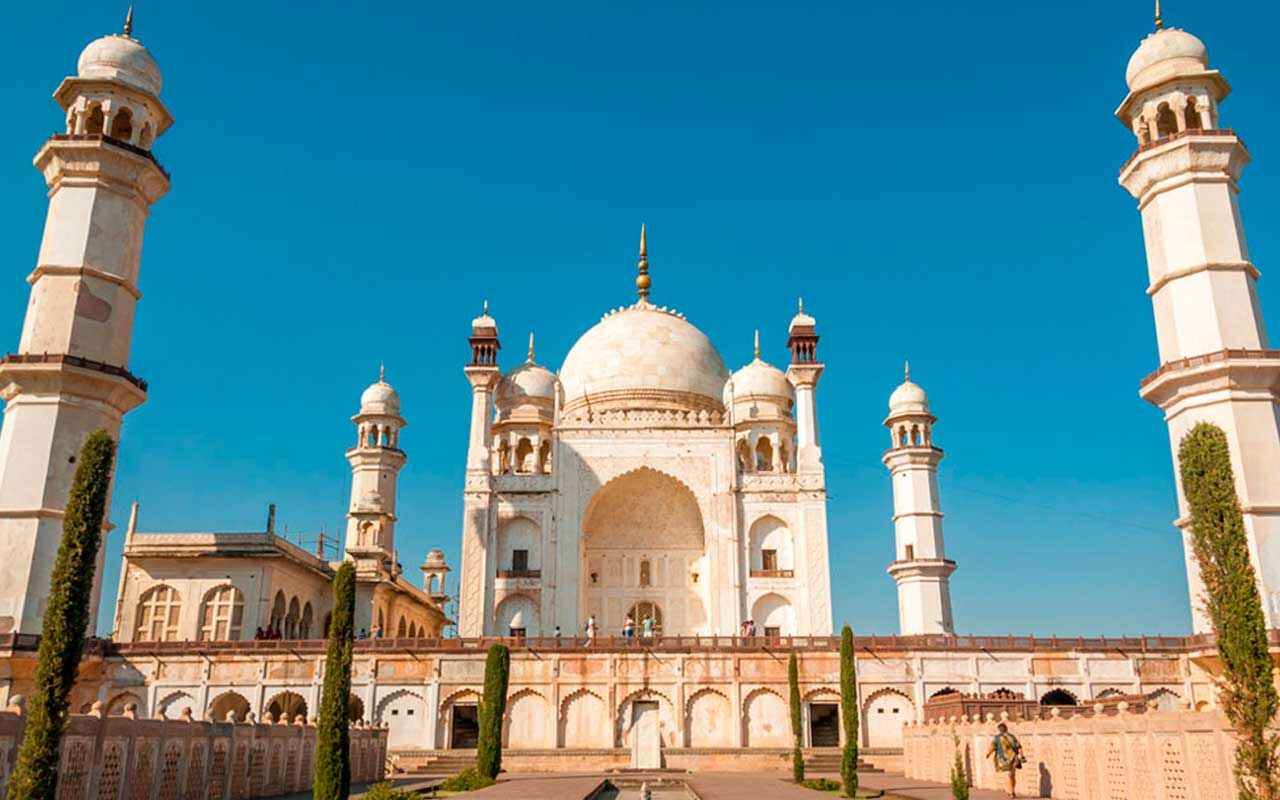
Bibi Ka Maqbara
"Taj Mahal Of The Deccan" - The Bibi ka Maqbara is a beautiful mausoleum of Rabia- Ul - Daurani alias Dilras Banu Begum, the wife of Mughal Emperor Aurangzeb. Bibi ka Maqbara was constructed by Aurangzeb in the year 1661 in the memory of his wife. Aurangzeb attributed this magnificent edifice in the name of his son Azam Shah who was born in the year 1653, so as to commemorate Rabia - Ul - Daurani, who left for her heavenly abode in the year 1657.
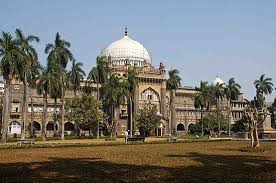
Chhatrapati Shivaji Maharaj Museum
Chhatrapati Shivaji Maharaj Museum - Established in the honour of the great Maratha ruler, Shivaji Maharaj, the Chhatrapati Shivaji Museum, located near Nehru Bal Udyan, has a marvellous collection of artefacts belonging to Maratha Empire. The main highlight of the museum is the 500-year-old armour, an equally old traditional Paithani Saree and a copy of the Holy Quran that was written by Aurangzeb. Housing 6 exhibition halls, the Chhatrapati Shivaji Museum in Aurangabad is a rich source of knowledge of the Maratha valour.
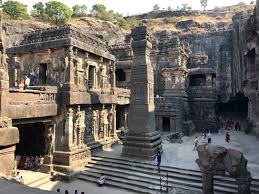
Aurangabad Caves (Ajanta and Ellora)
Ajanta and Ellora caves, considered to be one of the finest examples of ancient rock-cut caves are located near Aurangabad in the state of Maharashtra, India. Adorned with beautiful sculptures, paintings and frescoes, Ajanta and Ellora caves are an amalgamation of Buddhist, Jain and Hindu monuments as the complex includes both Buddhist monasteries as well as Hindu and Jain temples. The Ajanta caves are 29 in number and were built in the period between 2nd century BC and 6th century AD whereas the Ellora Caves are more spread out and 34 in number and dates to the period between 6th and 11th Century AD
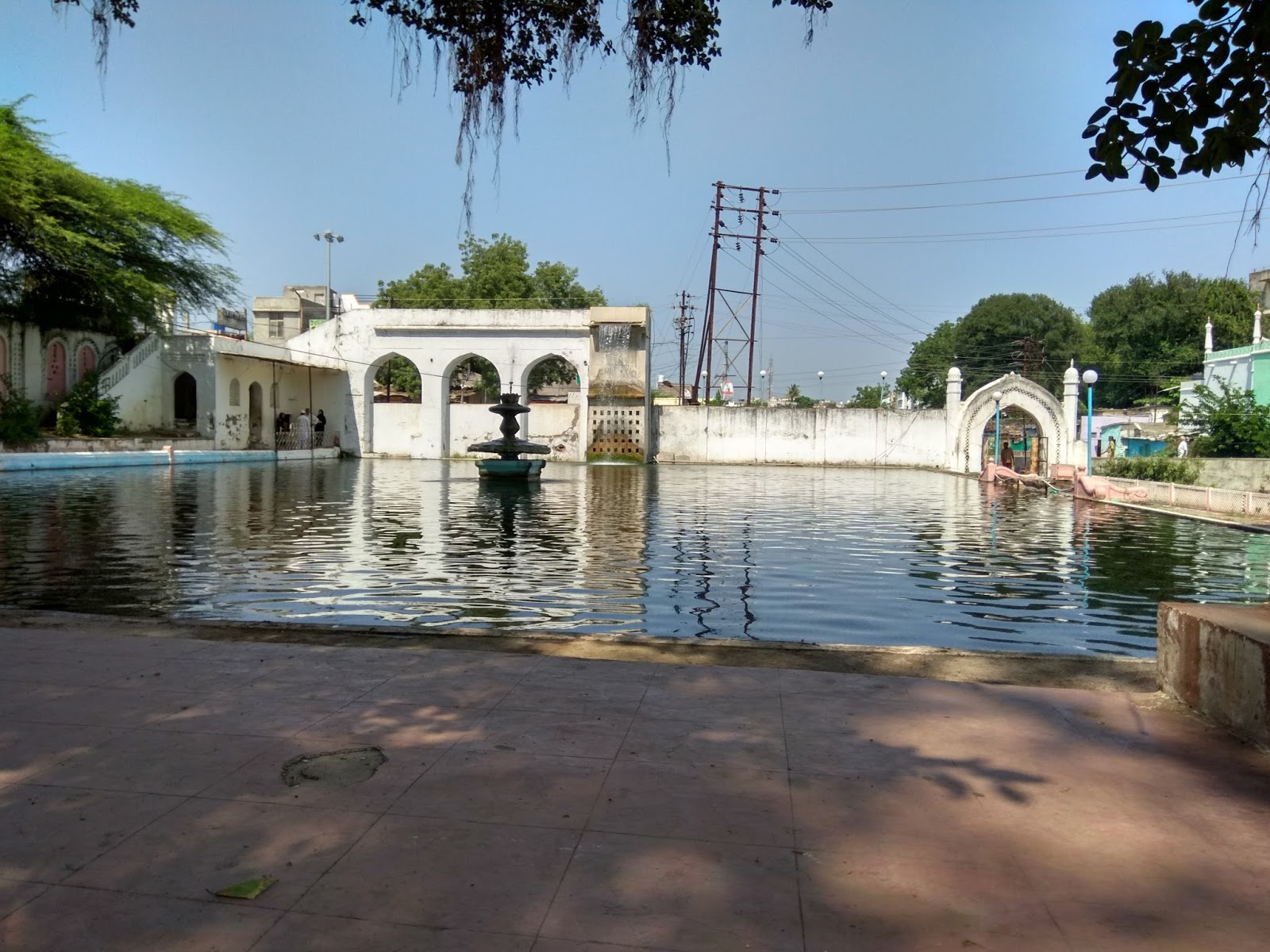
Panchakki historical place
Panchakki, known as the water mill. This monument is located in Aurangabad, Maharashtra, displays the scientific thought process put in medieval Indian architecture. It was designed to generate energy via water brought down from a spring on a mountain. The building, attached to the dargah of Baba Shah Musafir a Sufi saint is located in a garden near the Mahmud Darvaza and consist of a mosque, a madrassa, a kacheri, a minister's house, a sarai and houses for zananas