
Places to visit in Bhuj
Bhuj, located in the western region of Gujarat, is a popular tourist destination known for its rich history, vibrant culture, and architectural heritage. Often regarded as the gateway to the spectacular Rann of Kutch, the city serves as the perfect base for exploring the world's largest salt desert. A treasure trove of heritage and traditions, Bhuj has deep historical roots dating back to the Indus Valley Civilization. Its unique blend of natural beauty, colorful culture, and artistic legacy continues to attract travelers from around the world.
Having witnessed several chapters of Indian history, Bhuj reflects the influences of the Indus Valley Civilization, Alexander the Great's era, the Jadeja Rajput rulers, the Gujarat Sultanate, and the British Raj. Today, the city offers visitors an opportunity to experience Gujarat's fascinating history, rich traditions, vibrant festivals, and warm hospitality.
Bhuj is home to numerous historical and cultural attractions. The historic Bhuj Fort, once protected by massive walls and bastions, offers panoramic views of the city. Sharad Baug Palace, the former residence of the last ruler of Kutch, Maharao Madansinghji, is another notable landmark. Other must-visit attractions include the magnificent Aina Mahal (Palace of Mirrors), the impressive Parag Mahal built in Italian Gothic style, the intricately carved Ramkund Stepwell, and the royal cenotaphs known as Chhatardis. The Kutch Museum, Gujarat's oldest museum, showcases rare artifacts, including ancient Kshatrapa inscriptions. Visitors should also explore the scenic Hamirsar Lake and the beautifully carved Swaminarayan Temple, renowned for its colorful woodwork depicting stories from the lives of Lord Krishna and Radha.
The devastating earthquake of 2001 caused widespread destruction across Bhuj, damaging many of its historic palaces, havelis, and traditional markets. However, the city has made a remarkable recovery and today stands as a symbol of resilience. Bhuj has beautifully restored its heritage while preserving its world-famous handicrafts, Kutchi embroidery, traditional textiles, leatherwork, and exquisite silver jewelry. Today, it is recognized as one of the best places to visit in Gujarat, offering visitors an unforgettable blend of history, culture, craftsmanship, and the breathtaking landscapes of the Rann of Kutch.
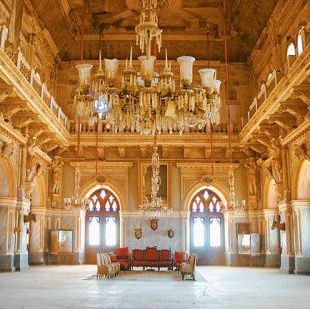
The Aina Mahal
The Aina Mahal is an 18th-century palace that is located next to the Prag Mahal in Darbargadh, Bhuj, Gujarat, India. The palace was built by Rao Lakhpatji of Cutch State around 1750. Lakhpatji's master craftsman Ram Singh Malam designed the palace in the local style and decorated it in the European style with glass, mirrors and tiles. The palace had two floors; the first floor has the Audience Hall, the Pleasure Hall, the Hall of Mirrors and the State Apartments, and the second floor has the ante-chamber, Darbar Hall and Marriage Hall. The building has been converted into a museum which includes a "europeanerie" collection that includes clocks, wares, mechanical toys, paintings and pictures
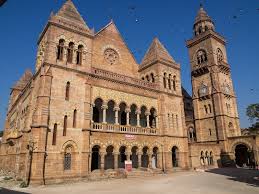
Prag Mahal Palace
The Prag Mahal is a 19th-century palace located next to the Aina Mahal in Bhuj, Gujarat
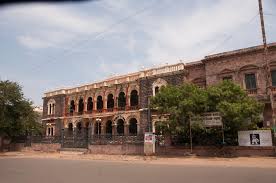
Kutch Museum
Kutch Museum in Bhuj is the oldest museum of Gujarat. It is located opposite Hamirsar Lake in Bhuj, Kutch, Gujarat, India. The museum was earlier known as Fergusson Museum
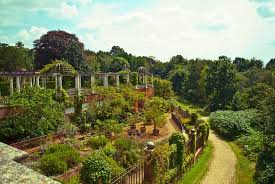
Hill Garden
Hill Garden is Big amusement park with rides & gardens