
Places to visit in Darjeeling
Darjeeling is undoubtedly one of the most beautiful hill stations in India, nestled in the lap of the Eastern Himalayas in West Bengal. Perched at an altitude of 2,134 metres, this charming hill town offers breathtaking views of the mighty Himalayan peaks, including the majestic Mount Kanchenjunga. Mist-covered mountains, lush tea gardens, colonial architecture, and the famous Darjeeling Himalayan Railway make it one of India's most sought-after destinations. A Darjeeling tour is the perfect introduction to exploring the enchanting landscapes of Northeast India.
Thanks to its spectacular mountain setting, Darjeeling has captivated families, honeymooners, nature lovers, and adventure enthusiasts for generations. The pleasant climate, fresh mountain air, and panoramic Himalayan views create an unforgettable travel experience. One of the town's most famous attractions is Tiger Hill, renowned for its spectacular sunrise views over Mount Kanchenjunga, and on exceptionally clear days, even Mount Everest can be seen. Equally iconic is the Darjeeling Himalayan Railway (Toy Train), a UNESCO World Heritage Site that has been delighting visitors for over a century with its scenic journey through the hills and remarkable engineering.
Darjeeling is world-famous for its premium tea, often referred to as the "Champagne of Teas." Rolling tea estates blanket the surrounding hills, creating postcard-perfect landscapes. Visitors can stroll through the lush plantations, observe tea pluckers at work, and learn about the tea-making process at estates such as the renowned Happy Valley Tea Estate. Other popular attractions include the Himalayan Mountaineering Institute, which showcases mountaineering history and memorabilia from Sir Edmund Hillary and Tenzing Norgay's Everest expedition, the Padmaja Naidu Himalayan Zoological Park, home to rare species such as the red panda and snow leopard, the Japanese Peace Pagoda, Ghoom Monastery, Batasia Loop, Bhutia Busty Monastery, and numerous colonial-era churches and heritage buildings.
Beyond sightseeing, Darjeeling offers delightful culinary and shopping experiences. Sample authentic Tibetan and Nepali cuisine, including delicious momos, thukpa, and traditional Himalayan dishes, along with Indian, Chinese, and continental specialties. The bustling local markets are ideal for shopping for handcrafted souvenirs, woollens, tea, and local handicrafts. Adventure lovers can also enjoy trekking, nature walks, and nearby mountain excursions, making Darjeeling an unforgettable destination for every kind of traveler.
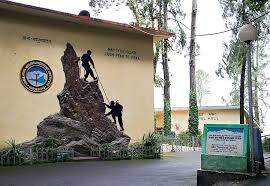
Himalayan Mountaineering Institute
The Himalayan Mountaineering Institute was established in Darjeeling, India on 4 November 1954 to encourage mountaineering as an organized sport in India. The first ascent of Mount Everest in 1953 by Tenzing Norgay and Edmund Hillary sparked a keen interest in establishing mountaineering as a well-respected endeavour for people in the region. With the impetus provided by the first prime minister of India, Jawaharlal Nehru, HMI was established in Darjeeling. Narendra Dhar Jayal, the pioneer of Indian Mountaineering, was the founding principal of the institute. Tenzing Norgay was the first director of field training for HMI. The buildings for the Institute were designed by the architect Joseph Allen Stein, then teaching at the Bengal Engineering College near Calcutta. It was the first building in a career in India that lasted half a century. HMI regularly conducts Adventure, Basic and Advanced Mountaineering courses. These are very comprehensive courses. They are also highly subsidised to encourage mountaineering as a sport
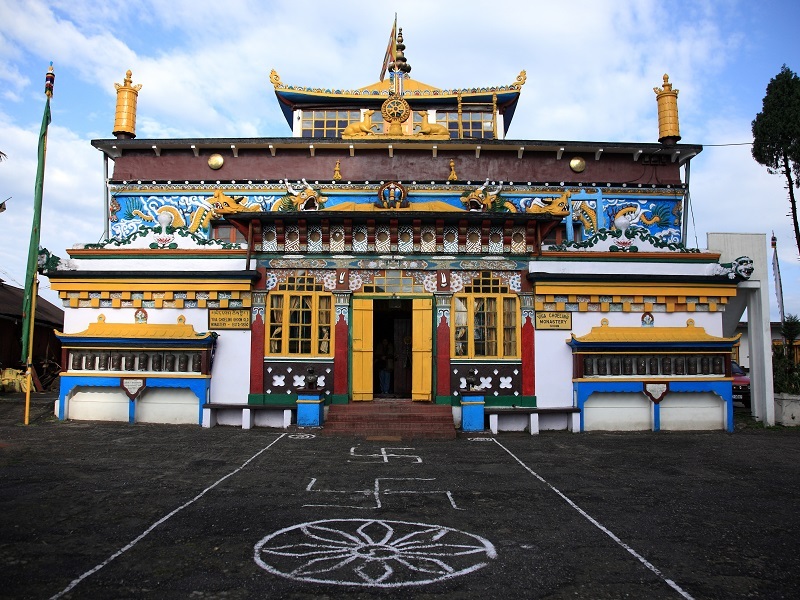
Ghoom Monastery
Ghoom Monastery is the oldest Tibetan Buddhist Monastery of Darjeeling. Established in 1850 by Lama Sherab Gyatso, this shrine is part of the Yellow Hat sect known as Gelupka who worship the 'Coming Buddha' or 'Maitreyi Buddha'. A 15-foot high statue of Maitreyi Buddha is seen in the central hall, made entirely of clay brought from Tibet. This statue was installed during the tenure of the second head of the monastery Lama Domo Geshe Rinpoche. One can also find many rare Buddhist manuscripts within the premises. Visitors are treated to a beautiful view of the majestic Kanchenjunga outside the monastery. Prayer flags are flown by the resident monks in typical Tibetan tradition
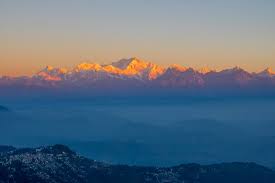
Tiger Hill
Tiger Hill is most famous for its splendid sights of sunrise from where you can see the peaks of Kanchenjunga illuminate before the sun is seen at lower elevations. The magnificent view of snow-capped mountains sitting amidst cotton clouds attracts tourists to Tiger Hill from all over the country. Interestingly, this is also the summit of Ghoom,
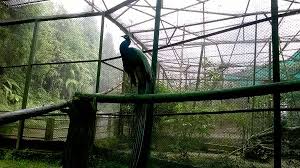
Himalayan Zoological Park
A zoo was established on 14 August 1958 in the Birch Hill neighbourhood of Darjeeling under the Department of Education of the Government of West Bengal with a goal to study and preserve Himalayan fauna. Its first Director and founder was Dilip Kumar Dey. Mr. Dey, who belonged to the Indian Forest Service was on deputation to the Department of Education for the express purpose of establishing a high-altitude zoological park specializing mainly in Himalayan flora and fauna
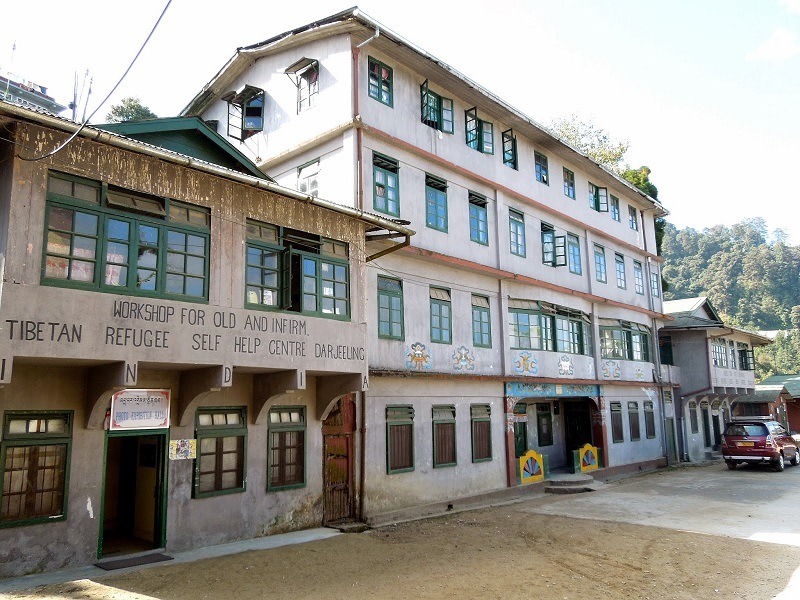
Tibetan Refugee self-help centre
Tibetan Refugee Self Help Centre in Darjeeling, India is a rehabilitation centre for the Tibetan refugees in the Darjeeling Himalayan hill region. It was established on 2 October 1959, after they followed Dalai Lama and escaped from Tibet
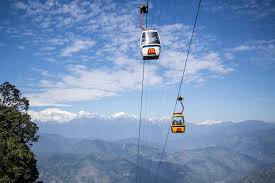
Darjeeling Rangeet Valley Passenger Ropeway
The Darjeeling Ropeway is a ropeway in the town of Darjeeling in the Indian state of West Bengal. The ropeway is a tourist destination in the town. It consists of sixteen cars and plies between the "North Point" in the town of Darjeeling and Singla on the banks of the Ramman river. The journey on the ropeway offers views of the hills and the valleys around Darjeeling. The ropeway, which was started in 1968 and revamped in 1988, was stopped in October 2003 after four tourists died when the cable snapped causing two cars to plummet down the hill. In 2005, the state forest and public works department ministers formed a three-member committee to oversee safety issues