
Places to visit in Kanha
Kanha, fondly known as the ‘Tiger Land’, is one of the most exciting wildlife destinations in India and the world. Located in the central Indian state of Madhya Pradesh, Kanha National Park is renowned for its breathtaking landscapes and incredible biodiversity. The park is also believed to have inspired Rudyard Kipling’s timeless classic, The Jungle Book. Established as a national park in 1955, Kanha has played a significant role in wildlife conservation and is home to one of the healthiest populations of Royal Bengal Tigers in India. Kanha tours offer an unforgettable experience for wildlife enthusiasts, photographers, and nature lovers alike.
The park is famous for its vast open meadows, dense sal and bamboo forests, and scenic streams that provide an ideal habitat for a remarkable variety of wildlife. Spotting tigers in their natural surroundings is one of the biggest highlights of a safari in Kanha. Other commonly seen animals include barasingha (swamp deer), gaur (Indian bison), sambar, chital, nilgai, blackbuck, barking deer, four-horned antelope (chousingha), wild boar, sloth bear, leopard, jackal, hyena, jungle cat, mongoose, hare, and Indian python. Kanha is equally rewarding for birdwatchers, with hundreds of bird species such as peafowl, kingfishers, woodpeckers, storks, egrets, pond herons, partridges, quails, green pigeons, rollers, bee-eaters, hoopoes, drongos, orioles, owls, flycatchers, and many more. The rich flora, comprising towering sal trees, teak forests, bamboo groves, and seasonal flowering plants, further enhances the beauty of the reserve.
One of Kanha's greatest conservation success stories is the revival of the hard-ground barasingha, the park's iconic swamp deer. Once on the brink of extinction, this rare species has made a remarkable comeback through dedicated conservation efforts, including habitat restoration, controlled breeding, and scientific wildlife management. Today, Kanha remains the best place in the world to observe this magnificent deer thriving in its natural habitat. The park is divided into several safari zones, each offering unique landscapes and excellent opportunities for wildlife sightings.
Kanha National Park remains open to visitors from 16 October to 30 June every year and stays closed during the monsoon season. Jeep safaris are the most popular way to explore the park, offering excellent opportunities to spot tigers and other wildlife across its diverse habitats. Elephant safaris, where permitted by forest authorities, provide a unique perspective and are especially popular among wildlife photographers. A stay at one of Kanha's comfortable wildlife lodges or jungle resorts completes the experience, allowing visitors to immerse themselves in the tranquility and natural beauty of one of India's finest tiger reserves.
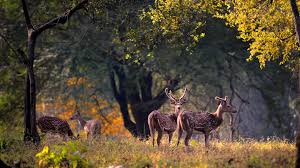
Kanha National Park
Located in a central region of Madhya Pradesh, Kanha National Park is the largest National Park in central India and has been ranked as one of the best parks in Asia. Among the 22 species of large mammals, the royal Bengal tigers are one of the major attractions. One of the best tiger reserves in India, the present-day area stretches over the 940-kilometre square which is divided into two sanctuaries: Hallon and Banjar.
The park was established in the year 1955 and has since actively contributed to the preservation of many endangered species. The National Park was taken under the Project Tiger Reserve in 1974. Abundant in flora and fauna, the Kanha National Park houses one of the rarest species of deer- the Barasingha. It is known for the unique Barasingha conversation to save the species that were once on the verge of extinction. One of the most scenic wildlife reserves in Asia today, this National Park came to be known the world over through Rudyard Kipling's book- The Jungle Book.
Kanha National Park is famous for its wildlife safaris and attracts tourists from all over the world. Other important animals in this park are leopards, wild dogs, wild cats, foxes, sloth bears, hyenas, langurs, wild boars and jackals. Reptiles including pythons, cobras, krait and other varieties of snakes are also found in this National Park