
Places to visit in Madurai
Madurai, fondly known as the "City of Nectar", is one of the oldest continuously inhabited cities in India and is often regarded as the cultural capital of Tamil Nadu. Situated on the banks of the Vaigai River, the city served as the capital of the mighty Pandya Kingdom and has been an important center of trade, culture, literature, and spirituality for over two millennia. Rich in history and heritage, Madurai remains one of the must-visit destinations in South India, attracting pilgrims, history enthusiasts, and travelers from around the world.
Madurai has been mentioned in several ancient Indian texts, including the Ramayana, Kautilya's Arthashastra, and numerous Tamil literary works. The city was visited by renowned travelers such as Megasthenes (4th century BCE), Pliny the Elder, Ptolemy, Marco Polo, and Ibn Battuta, all of whom documented its prosperity and vibrant trade. Merchants from Rome and Greece established flourishing commercial ties with the Pandya rulers, making Madurai one of the most important trading centers of ancient South India. According to Hindu mythology, Lord Shiva performed his famous 64 Thiruvilaiyadals (divine miracles) in Madurai, further enhancing the city's spiritual significance.
The city's most celebrated attraction is the magnificent Meenakshi Amman Temple, one of the finest examples of Dravidian temple architecture in India. Dedicated to Goddess Meenakshi and Lord Sundareswarar (Shiva), the temple is renowned for its towering, intricately sculpted gopurams adorned with thousands of colorful figures of gods, goddesses, mythical creatures, and celestial beings. The famous Thousand Pillar Hall showcases remarkable stone craftsmanship, with several pillars producing musical notes when gently tapped. Other important attractions include the grand Thirumalai Nayakkar Palace, an architectural masterpiece blending Dravidian and Indo-Saracenic styles, the Gandhi Memorial Museum, and the Temple Art Museum, all of which reflect the city's rich artistic and historical legacy.
Madurai is equally famous for its vibrant markets, exquisite textiles, and fragrant jasmine flowers, often referred to as the "Jasmine Capital of India." The bustling streets are lined with shops selling elegant silk sarees, handcrafted brass lamps, traditional jewelry, and local handicrafts. The city's colorful festivals, especially the grand Chithirai Festival, attract thousands of devotees and visitors each year. Madurai is also celebrated for its delicious Tamil cuisine, offering everything from authentic South Indian delicacies to flavorful street food. With its remarkable blend of history, spirituality, architecture, shopping, and culinary delights, Madurai offers an unforgettable cultural experience for every traveler.

Gandhi Memorial Museum
Gandhi Memorial Museum, established in 1959, is a memorial museum for Gandhi located in the city of Madurai in Tamil Nadu, India. Known as Gandhi Museum, it is now one of the five Gandhi Sanghralayas in the country. It includes a part of the blood-stained garment worn by Gandhi when he was assassinated by Nathuram Godse.
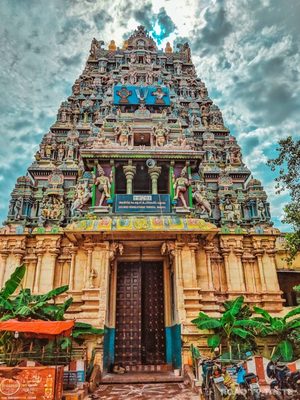
Arulmigu Koodal Azhagar Temple
Koodal Azhagar Temple in Madurai, a city in the South Indian state of Tamil Nadu, is dedicated to the Hindu god Vishnu. Constructed in the Dravidian style of architecture, the temple is glorified in the Divya Prabandha, the early medieval Tamil canon of the Azhwar saints from the 6th–9th centuries AD. It is one of the 108 Divyadesams dedicated to Vishnu, who is worshipped as Koodal Azhagar and his consort Lakshmi as Mathuravalli. A granite wall surrounds the temple, enclosing all its shrines. The temple has a five-tiered rajagopuram, the gateway tower. The temple is originally believed to be built by the Pandyas, with later additions by the Vijayanagar and Madurai Nayak kings who commissioned pillared halls and major shrines of the temple during the 16th century. Koodal Azhagar is believed to have appeared to slay the demon Somuka who abducted the four Vedas. The temple follows Thenkalai tradition of worship. Four daily rituals and three yearly festivals are held at the temple, of which the fourteen-day annual Brahmotsavam during the Tamil month of Vaikasi being the most prominent.
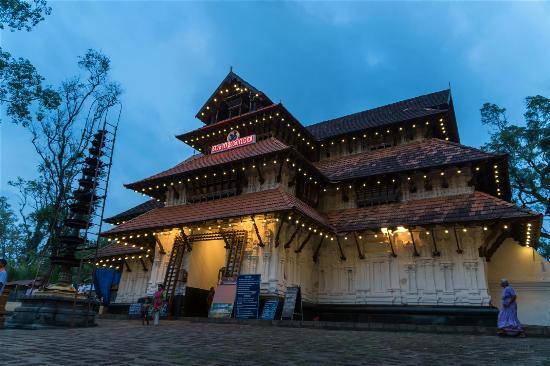
Vandiyur Mariamman Teppakulam
Vandiyur Mariamman Teppakulam is a temple tank located near to Vandiyur Mariamman Temple and situated at a distance of about 5 km from the Meenakshi Amman Temple. Literally, Teppakulam means temple pond mainly used for devotional festivals. The tank is connected to Vaigai River through an ingenious system of underground Channels. It has total of 12 long stairs made of granite on all four sides. The temple as well as the stairs was built by the King Thirumalai Nayak. In the centre of the tank there is a Madapam called Maiya Mandapam with Vinayakar temple and garden.
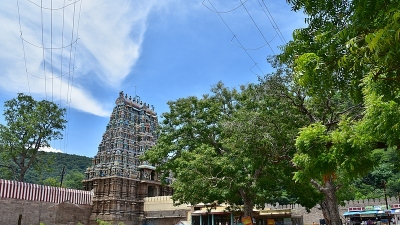
Alagar kovil
Alagar kovil is a village in Madurai district in the South Indian state of Tamil Nadu. The history and living of the village is centered around Kallazhagar Temple. Constructed in the Dravidian style of architecture, the temple is glorified in the Divya Prabandha, the early medieval Tamil canon of the Azhwar saints from the 6th–9th centuries AD. It is one of the 108 Divyadesam dedicated to Vishnu, who is worshiped as Kallazhagar and his consort Lakshmi as Thirumamagal.

Samanar Hills Keelakuilkudi
Samanar Hills or Samanar Malai is a hill rock complex located in Keelakuyilkudi village, 15 kilometres from Madurai, Tamil Nadu, India. The hill has been declared as a protected monument by the Archaeological Survey of India. Samanar means 'Jain' in Tamil and malai means 'hill'. This hill has caves where Tamil Jain monks lived. The hill was also known as Thiruvuruvagam.
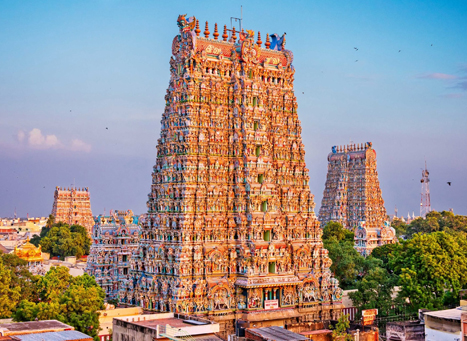
Meenakshi Amman Temple
Meenakshi Temple is a historic Hindu temple located on the southern bank of the Vaigai River in the temple city of Madurai, Tamil Nadu, India. It is dedicated to Meenakshi, a form of Parvati, and her consort, Sundareshwar, a form of Shiva. The temple is at the center of the ancient temple city of Madurai mentioned in the Tamil Sangam literature, with the goddess temple mentioned in 6th century CE texts.
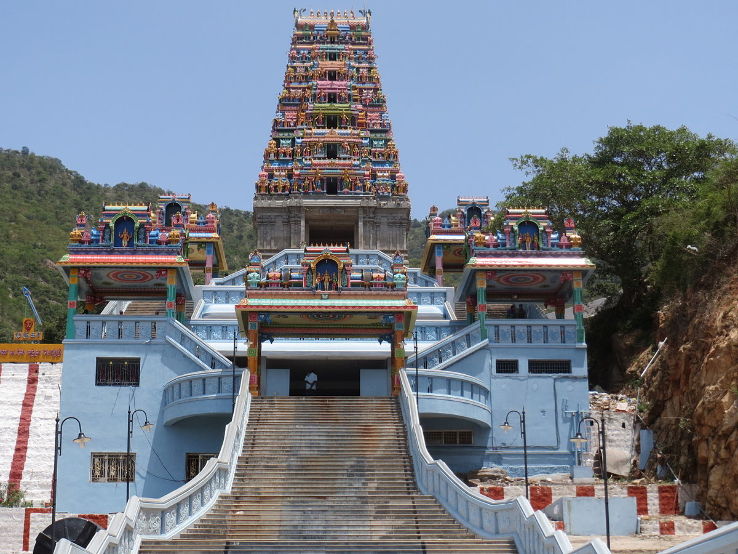
Subramaniya Swamy Temple
Thiruparankundram Murugan Temple or Subramanya Swamy Temple is a Hindu temple and one of the Six Abodes of Murugan, located at Thiruparankundram. The temple is built in rock-cut architecture and believed to have been built by the Pandyas during the 6th century. According to the legend it is where Murugan slayed the demon Surapadman and married Deivayanai, the divine daughter of the king of heaven, Indra, and he is said to have worshipped Shiva here as Parangirinathar. The temple is located 8 kilometres from Madurai in India. In the main shrine, apart from Muruga, deities of Shiva, Vishnu, Vinayaka and Durga are housed. The temple follows Shaivite tradition of worship. Six daily rituals and three yearly festivals are held at the temple, of which the Kantha Sashti festival during the Tamil month of Aippasi being the most prominent. The temple is maintained and administered by the Hindu Religious and Endowment Board of the Government of Tamil Nadu.