
Places to visit in Ranthambore
Located in Rajasthan, Ranthambore is one of the finest wildlife destinations in India, renowned for its incredible biodiversity and thriving tiger population. As one of the country's premier Project Tiger reserves, Ranthambore National Park stands as a remarkable success story in wildlife conservation. Once the exclusive hunting grounds of the royal family of Jaipur, the region has transformed into a protected sanctuary where wildlife flourishes in its natural habitat. Adding to its historical significance, the magnificent 10th-century Ranthambore Fort, located within the national park, is part of the UNESCO-listed Hill Forts of Rajasthan. Home to the majestic Royal Bengal Tiger and a rich variety of flora and fauna, Ranthambore offers an unforgettable wildlife experience for nature lovers, photographers, and adventure enthusiasts alike.
Spread across approximately 400 square kilometres, Ranthambore National Park features a landscape of dry deciduous forests dominated by dhok trees, interspersed with rugged hills, rocky outcrops, open grasslands, lakes, and natural watering holes. Overlooking the wilderness is the imposing Ranthambore Fort, offering breathtaking views of the surrounding forest. Famous for its high probability of tiger sightings, the park is considered one of the best places in India to observe Royal Bengal Tigers in the wild. Other notable wildlife includes leopards, often spotted in the Kachida Valley, sloth bears, striped hyenas, jungle cats, marsh crocodiles, nilgai, chital (spotted deer), sambar deer, and chinkara. Birdwatchers can enjoy sightings of black storks, painted storks, Bonelli's eagles, crested serpent eagles, spurfowl, quails, and numerous migratory waterbirds during the winter months, making Ranthambore a paradise for wildlife photography.
Visitors can explore the park through exciting jeep safaris and canter safaris, while elephant rides are occasionally available for specific forest activities. Early morning and late afternoon safaris provide the best opportunities for wildlife sightings, as animals are most active during these cooler hours. Staying at one of the wildlife resorts around the park enhances the overall safari experience by allowing visitors to immerse themselves in the natural surroundings. The best time to visit Ranthambore National Park is from October to April, when the weather is pleasant and wildlife is easily spotted. Although the summer months are hot, they offer excellent opportunities to observe animals gathering around lakes and watering holes, making it one of the most rewarding seasons for tiger sightings.
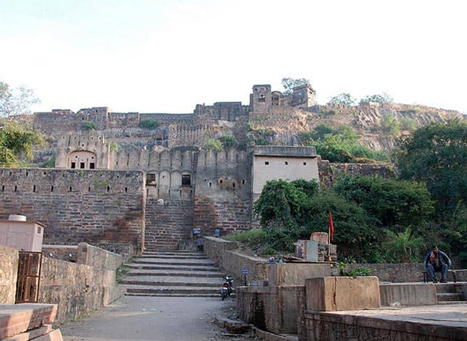
Ranthambore Fort
Ranthambore Fort lies within the Ranthambore National Park, near the city of Sawai Madhopur, the park being the former hunting grounds of the Maharajahs of Jaipur until the time of India's Independence. It is a formidable fort having been a focal point of the historical developments of Rajasthan. The fort was held by the Chahamanas until the 13th century, when the Delhi Sultanate captured it. In 2013, at the 37th session of the World Heritage Committee, Ranthambore Fort, along with 5 other forts of Rajasthan, was declared a UNESCO World Heritage Site under the group Hill Forts of Rajasthan.
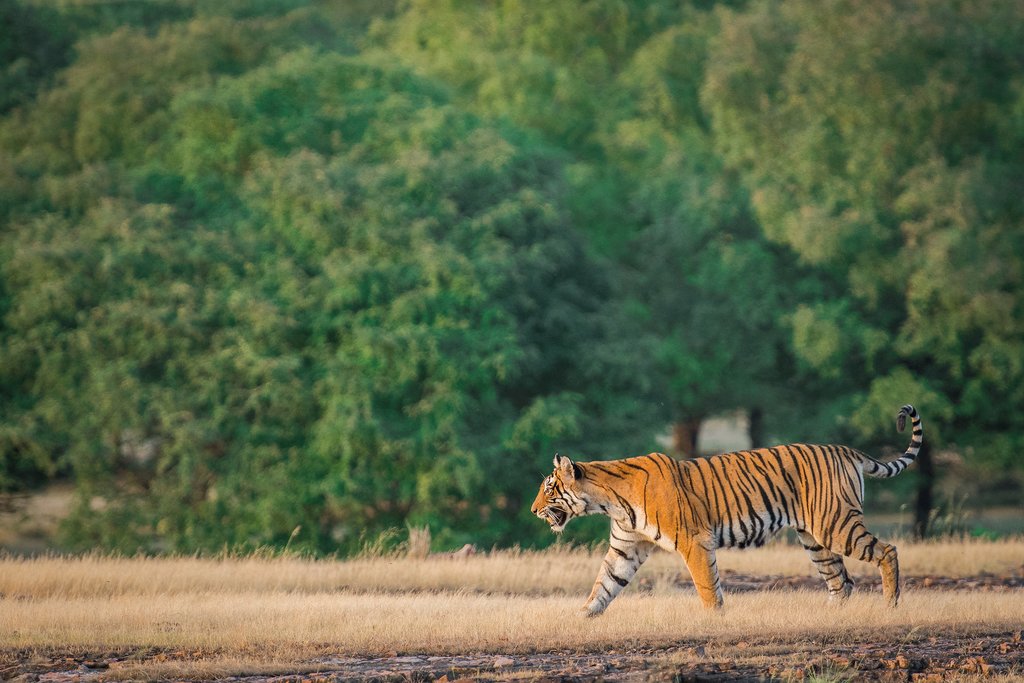
Ranthambore Jungle Safari
Jeep Safaris into Ranthambore National Park. The morning Safaris are usually from sunrise to about 10.00 am , and the afternoon / evening safaris are from 3.00 pm to sunset.
The Ranthambore National Park is one of the major illustrations of the Project Tiger's conservation in Rajasthan. The Ranthambore National Park covers an area of over 400 sq. km. It has many sharp cliffs enfolding a route of lakes and rivers. The 10th century Ranthambore Fort stands as a silent watchman on one of these hills. This National Park is a combination of the fortified forest and the open chaparral land. The Ranthambore National Park is naturally a dry deciduous type of forest. Dhok is the most noticeable tree in the forest. Since, Ranthambore is a tiger reserve, glimpsesof tigers are very common in this area, apart from that, the park has a few panthers too. Kachida Valley is known to be the best place to have a glimpse of these exclusive cats. One can also find marsh crocodiles, hyenas, jungle cats and the sloth bears. The avian population includes the black storks, quails, Bonelli’seagles; spur fowls, crested serpent eagles and painted storks. During the winters, there are a lot of migratory birds in the forest, including a different variety of ducks. The National Park is well known for wildlife photography. Wildlife safari’s in Ranthambore are conducted in jeeps.