A Tale of Two Safaris: Africa and India
by
I have always been fascinated by the idea of a safari, the idea of what might appear around the next bend, the sudden silence of the wilderness and the possibility of seeing an animal in its natural habitat. Perhaps this is what makes the safari such a compelling journey – you never know what awaits you.
The word safari comes from the Swahili word for ‘journey’ and has become synonymous with exploring the wilderness and viewing wildlife in its natural habitat. Today, we tend to associate this word more strongly with Africa and India, which can sometimes give the impression that the safari experiences are much the same in both these destinations.
But the more I learn about safaris in these two parts of the world, the more amused I get just how different they can be. While there are parallels, the reality is quite different. India and Africa offer two distinctively different experiences shaped by their landscape, wildlife, conservation practices and the way visitors explore their national parks and reserves.
The Terrain: Open Savannahs vs. Dense Forests
The landscape is perhaps the first thing that sets an African safari from an Indian safari. The vast open savannahs and floodplains provide uninterrupted views of the wilderness in an African safari. Herds of elephants and buffalo can often be seen from a considerable distance, thus defining the classic African safari experiences.
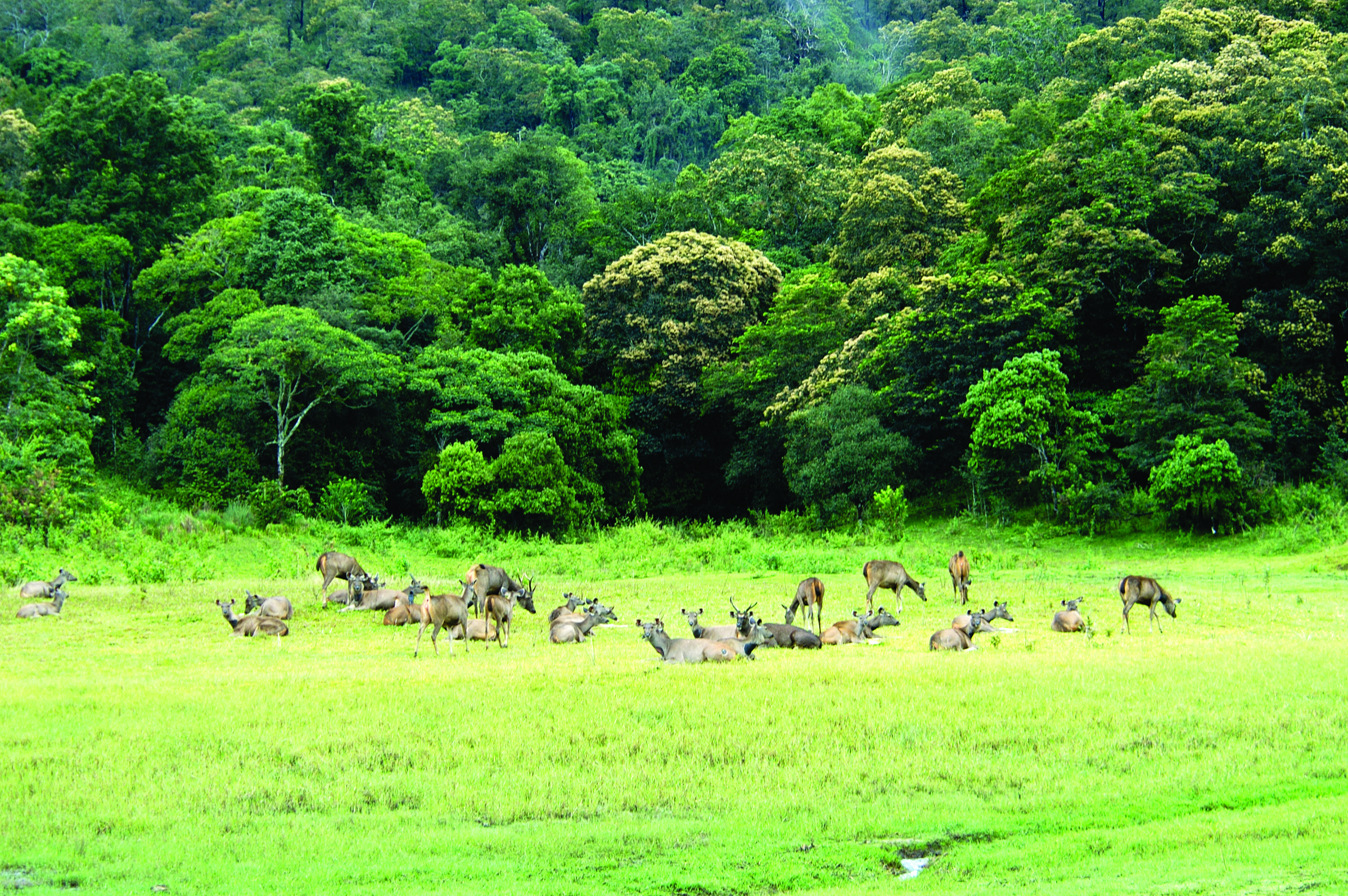
The Indian picture is different. Its wildlife reserves are characterized by dense forests, jungles, grasslands, lakes and rivers, thus concealing the wildlife as well as revealing it. A rustle in the undergrowth or a pugmark can be enough to set the heart racing.
I find this contrast fascinating. While Africa often puts the wilderness on display, India makes you search for it.
The Wildlife: Abundant vs. Elusive
Africa is renowned for its abundance of wildlife and the ease with which animals can be observed in the open. One of the defining features of an African safari is the presence of large herds of animals in masses with the possibility of wildlife sightings throughout the day.
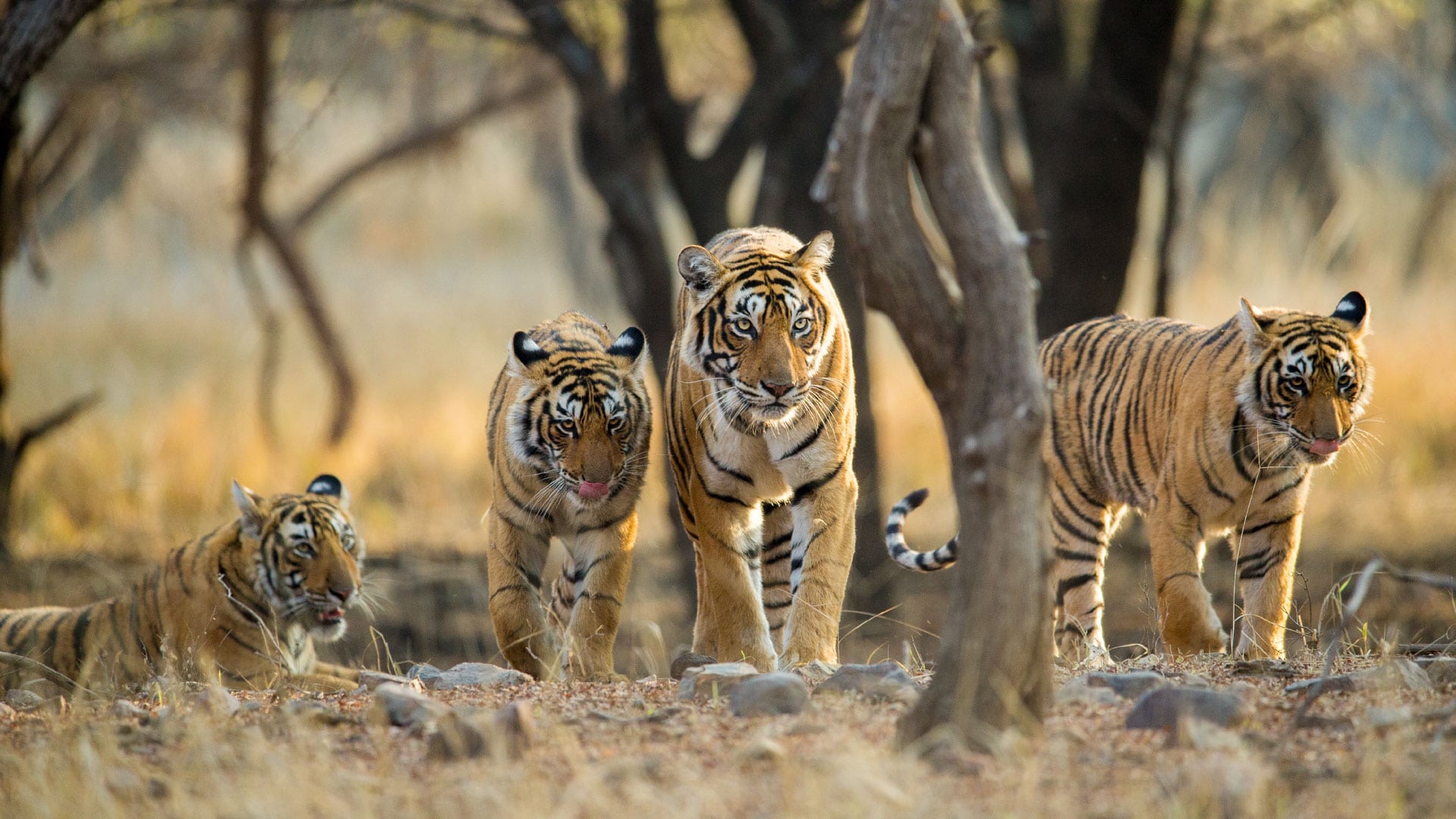
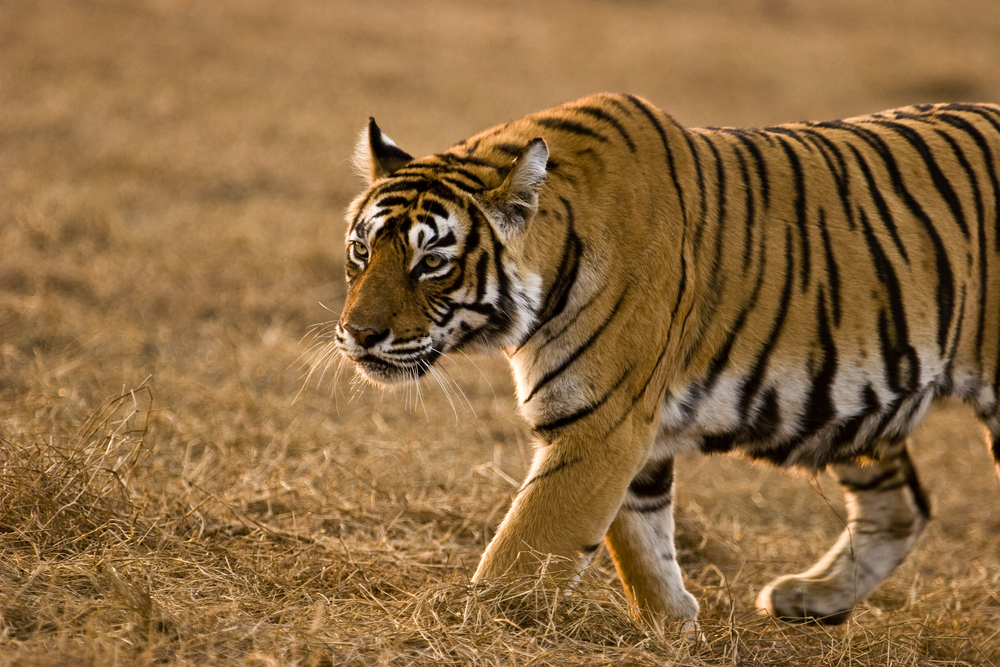
In India wildlife can be considerably more elusive. It is quite possible to spend several hours exploring a national park or a tiger reserve without seeing a tiger or a leopard. Yet, to me, this is part of what makes the Indian safari so compelling. The anticipation builds with every turn and when a tiger finally emerges from the forest even for just a few seconds, the encounter can feel all the more extraordinary.
The Animal: Africa’s Big Five vs. India’s Icons
For many travelers, Africa’s wildlife is described by the legendary Big Five: Lion, Elephant, Rhinoceros, Buffalo and Leopard. Seeing these magnificent animals roaming freely across the African wilderness is the classic sight of an African safari.
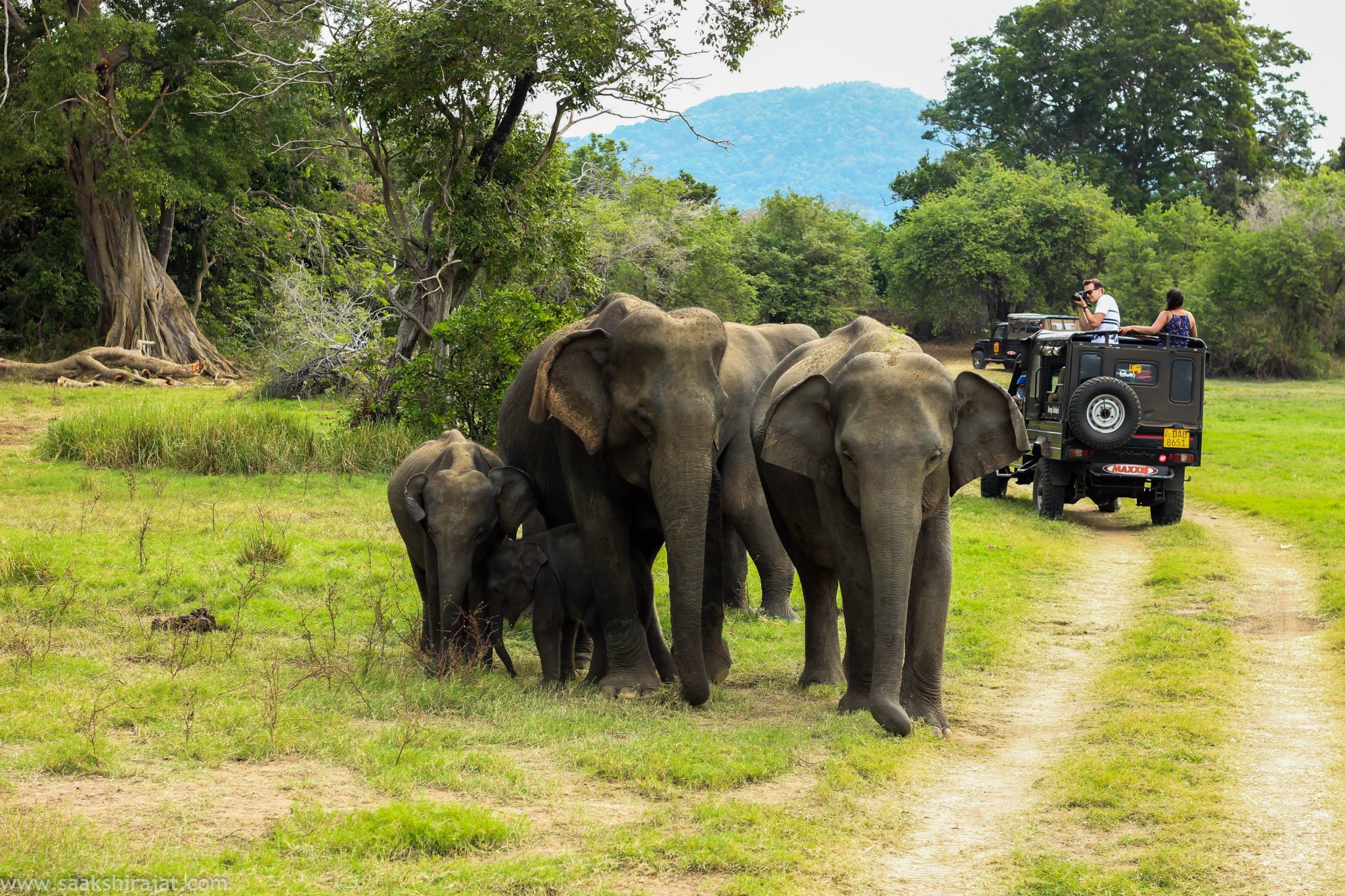
India has its own iconic wildlife. The majestic Bengal Tiger, Leopards, One-Horned Rhinoceros, Asiatic Elephants, Sloth Bears, Wild Dogs and several species of Deer are among the stars of an Indian safari. Depending on the region, it is also possible to encounter Asiatic lions. India is a birdwatcher’s paradise, with specialist birding experience available in many national parks.
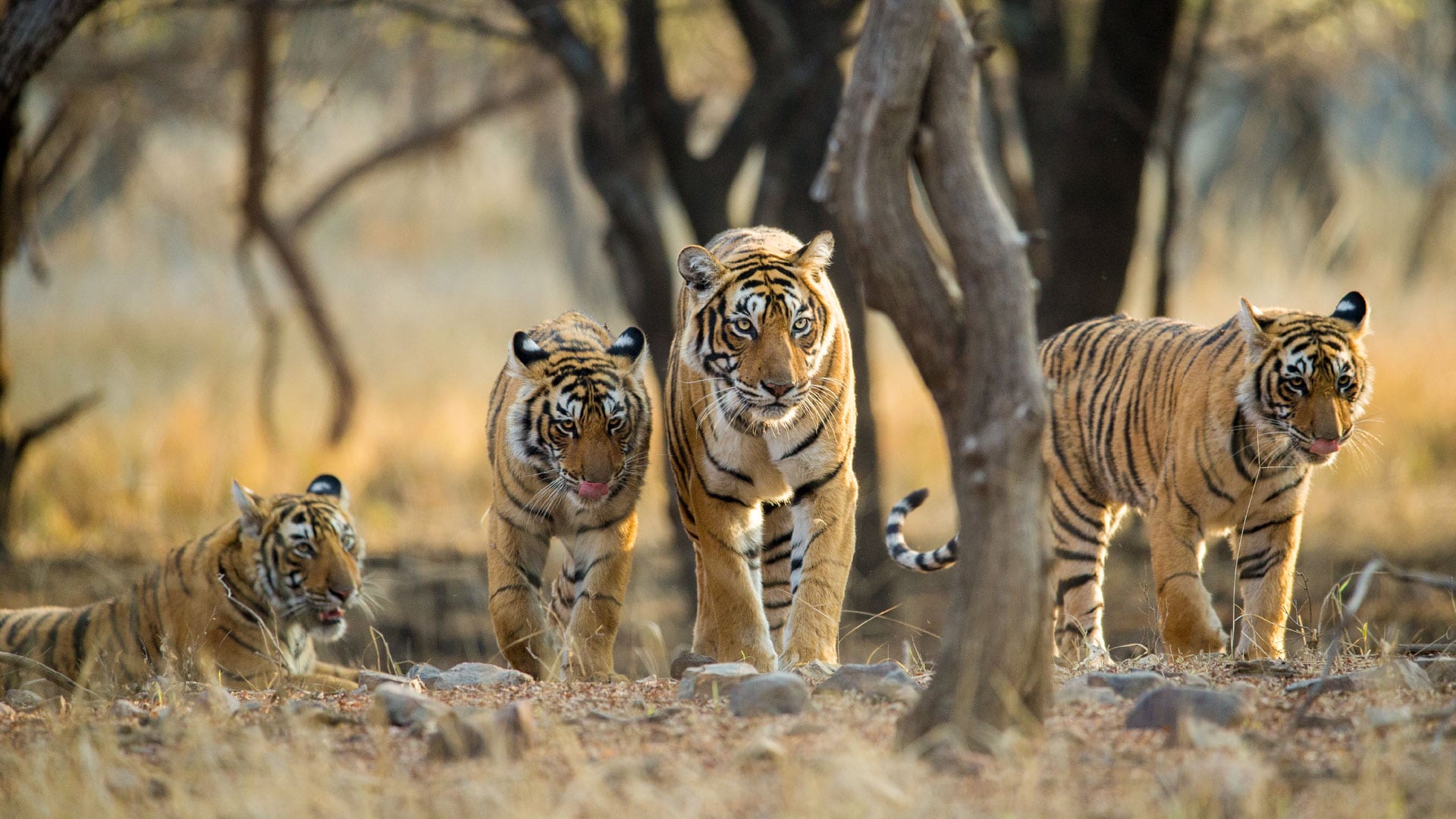
The tiger is the undisputed star of any Indian safari, the more I explore this subject, the more I realize that there is far more to discover. By combining different parks and states, travelers can experience an extraordinary diversity of wildlife.
The Safari Experience: Vast Wilderness vs. Regulated Exploration
The size and scale of the reserves also influence how a safari experience unfolds. Most of the African safari reserves are vast, allowing for longer game drives across expansive wilderness areas. In many destinations, night safaris are also available, giving visitors a chance to see animals that become active after sunset and are rarely seen during the daytime.
Indian safaris are more systemized. The National Parks are divided into ‘core and buffer zones’, with restricted access to the core zones. The safaris have designated timing along permitted routes, thus creating a controlled but more focused wildlife experience.
Even the vehicles reflect difference in terrain. While large Land Rovers and Land Cruisers are common across Africa, smaller agile jeeps are a common sight at the Indian safari. Depending on the park and local regulations, a naturalist or a forest guide may accompany visitors.
Walking safaris are also possible in India, however, they are conducted with a forest guide for safety. Unlike Africa, night drives are restricted only to designated buffer zone areas, offering a completely different perspective of forest after the sunset.
Accommodation: Camps in the Wilderness vs Lodges outside the Park
Accommodation is another difference that I find interesting. In Africa, there is a wide choice of camps and lodges within or close to the reserves, allowing visitors to feel immersed in the wilderness even after the day safari is over.
In India, all accommodation is situated outside the national parks or tiger reserves, often in the surrounding areas. The day begins with a journey from the lodge towards the park gates, with the anticipation building as we inch closer to the forest. This creates rhythm to the experience.
An African safari feels like an extended immersion in the wilderness, while an Indian safari has a distinct journey into and out of the forest.
Two Safaris, Two Very Different Journeys
The more I learn about safaris in Africa and India, the clearer it becomes that they should not be viewed as competing experiences. They simply offer two very different ways of experiencing the wilderness.
While Africa is about open landscapes, abundant wildlife and long drives across vast wilderness, India is about patience, anticipation and the thrill of discovering wildlife within the dense forests.
For me, this is what makes the comparison so interesting. Whether it is the sight of elephants crossing the African landscapes or the hope of a tiger emerging from the Indian jungle, the essence of a safari remains the same – a journey into the unknown where nature sets the agenda.
By Daxta Pandey August 2026